
How to Save 50% on Your Phone Bill by Switching to an MVNO
Table of Contents
Imagine opening your monthly cell phone bill to find you’re paying nearly twice as much as your neighbor for the same service. Does this sound familiar? You’re not alone. Millions of Americans overpay for cellular service simply because they don’t know about a money-saving alternative hiding in plain sight: MVNOs.
These alternative carriers are revolutionizing the mobile industry by offering identical network coverage at a fraction of the cost. Switching to an MVNO could slash your monthly phone bill by 50% or more while keeping you connected to the same towers you use [1].
But if MVNOs use the same networks as major carriers like Verizon, AT&T, and T-Mobile, why do they cost so much less? And what’s the catch? This comprehensive guide pulls back the curtain on the cell phone industry’s best-kept secret, helping you understand exactly how MVNOs work and whether switching could put hundreds of dollars back in your pocket this year.

Understanding the basics
What is an MVNO?
An MVNO (Mobile Virtual Network Operator) is a wireless service provider that doesn’t own its cell towers or network infrastructure. Instead, these smaller carriers lease network access from major carriers—typically AT&T, Verizon, or T-Mobile—and resell it to consumers at lower prices.
Think of MVNOs like wholesale club stores but for cell phone service. Just as Costco buys products in bulk and sells them at a discount, MVNOs purchase network access wholesale from major carriers and pass the savings on to you. This business model allows them to offer significantly lower prices while providing service on the same reliable networks you’re already using.
Why MVNOs Cost Less Than Major Carriers
The dramatically lower prices offered by MVNOs often raise eyebrows and questions about how they can afford such deep discounts. The answer lies in their streamlined business model and reduced operating costs. Unlike major carriers, MVNOs don’t need to maintain expensive network infrastructure or support extensive retail operations. They typically operate with smaller teams and fewer physical locations, focusing instead on efficient online operations.
Their simplified approach extends to their service offerings as well. MVNOs generally stick to prepaid plans rather than complex contracts and rarely offer phone financing programs. By focusing purely on selling phone service rather than dealing with device payments and contracts, they can keep their operations lean and costs low. This no-frills approach means fewer fancy perks like free streaming subscriptions or loyalty rewards. Still, it significantly lowers monthly bills for customers prioritizing affordable service over extra features.

The data prioritization downside
Network Coverage and Service Quality
One of the most common concerns about MVNOs involves network coverage and service quality. Since MVNOs use the same towers as major carriers, you’ll get coverage maps identical to the parent network’s. If you choose an MVNO on Verizon’s network, you’ll have access to the same extensive coverage Verizon customers enjoy.
However, there is one important distinction in service quality: data prioritization. During peak usage times or in crowded areas, major carriers may slow down MVNO customers’ data speeds to prioritize their direct customers [2]. This doesn’t mean your service will always be slower—many MVNO customers never notice any difference. However, in congested areas or during high-traffic periods, you might experience slower data speeds than customers who subscribe directly through the major carrier.
The Evolution of Customer Service
The traditional carrier experience typically includes extensive customer support options, including numerous physical store locations, 24/7 phone support, and in-person technical assistance. MVNOs take a different approach, focusing on digital support channels like online chat and email. Phone support is often available during limited hours. While this might seem like a downgrade, many customers find these digital support options more convenient than visiting physical stores.
The rise of self-service tools and online support communities has also helped bridge the gap between MVNO and traditional carrier support. Many MVNOs have developed sophisticated online help centers and user forums where customers can quickly find answers to common questions without contacting support directly.
Understanding Plan Flexibility and Contracts
The contract-free nature of most MVNO plans represents a significant shift from traditional carrier arrangements. Rather than locking customers into long-term commitments, MVNOs typically offer month-to-month service with no credit checks required. This flexibility allows customers to change plans or carriers without penalty, putting more control in the hands of the consumer.
This approach particularly benefits those who want to avoid credit checks or prefer the simplicity of prepaid service. Without annual contracts or early termination fees, customers can easily adjust their service based on changing needs or switch providers if they find a better deal elsewhere.

Major players and their networks
The MVNO Landscape
The MVNO market has grown increasingly diverse, with options available on all major networks. Visible has made waves on Verizon’s network, Mint Mobile has attracted attention on T-Mobile’s network, and Cricket Wireless has established itself as a leading AT&T-based option [3].
Each provider brings something unique to the market. US Mobile, for instance, offers customizable plans that let customers pay for exactly what they need. At the same time, Consumer Cellular has carved out a niche with seniors through its simple plans and AARP discounts. This diversity of offerings ensures that most consumers can find an MVNO that matches their needs and preferences.
Making an Informed Decision
Choosing between an MVNO and a major carrier requires careful consideration of your specific needs and circumstances. MVNOs offer compelling advantages for budget-conscious consumers needing reliable phone service without extra frills. The significant cost savings make them particularly attractive for individual lines or customers who don’t need the latest flagship phones on payment plans.
However, heavy data users might find more value in major carrier plans, especially those who frequently stream video or play online games. The same goes for customers who frequently need in-person support or want access to the latest phones with carrier financing options. International travelers should also carefully compare roaming options, as major carriers often provide more comprehensive international coverage.
The Future of Mobile Service
The mobile industry continues to evolve, with MVNOs playing an increasingly important role in shaping its future. As 5G networks expand and technology advances, these alternative carriers will likely offer even more competitive options. The growing adoption of eSIM technology could make switching between carriers even easier, leading to more innovative service options and pricing models.
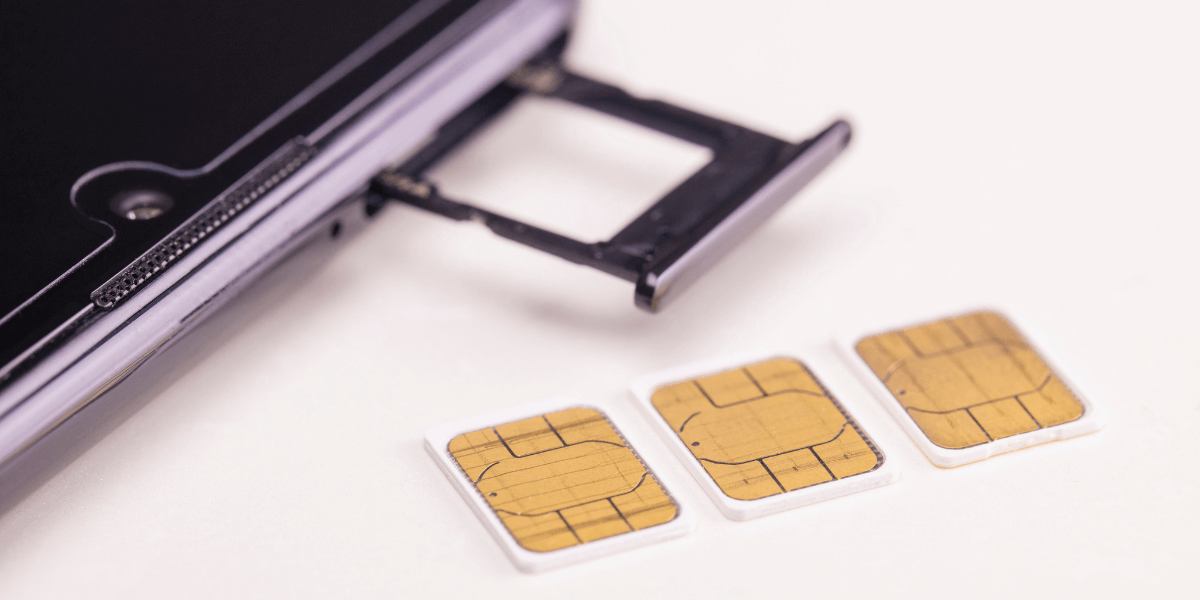
Ensure your phone is unlocked
Making the Transition
If you’ve decided to try an MVNO, the transition process is straightforward but requires careful planning. First, ensure your phone is unlocked and compatible with your chosen MVNOs’ network. Then, research plan options and current promotions to find the best fit for your needs. When you’re ready to switch, gather your current account information and request your account number and PIN from your existing carrier.
The transition should be handled carefully to ensure you don’t lose service. Order and activate your new SIM card while keeping your old service active. This allows you to test the new service thoroughly before completely cutting ties with your previous carrier. Many customers find switching at the beginning of a billing cycle helpful to avoid any prorated charges or billing complications.
Ready to Find Your Perfect Phone Plan?
Now that you understand the differences between MVNOs and major carriers, you can make an informed decision about your mobile service. The potential savings are substantial—many consumers save hundreds of dollars annually by switching to an MVNO that meets their needs. However, coverage quality varies significantly by location, and the best carrier in one neighborhood might perform poorly just a few miles away.
Don’t waste time researching plans that won’t work well in your area. Instead, take the first step toward better mobile service by entering your zip code here. You’ll instantly find which carriers offer the strongest signal and plans where you live and work.
Sources
[1] CNBC.com. “Cut your cell phone bill up to 50% with these 4 tips."
[2] Androidguys.com. “Why an MVNO May Not Be Right for You: Considerations and Alternatives"
[3] Ecosmob.com. “Top 10 Best US MVNO Solution Providers in 2025"